
Manufacturing Process

Incoming Inspection
01
Raw Material Inspection

All raw materials undergo a strict incoming inspection process upon arrival. This includes visual checks, verification of certificates, and random sampling for laboratory testing to ensure consistent product performance.

Extrusion
02
Extrusion and Shaping

After extrusion, the mesh is rapidly cooled in the water pool to solidify. As it passes through the cooling section, it retains its shape and strength, then cut open, flattened, and rolled into a mesh roll.

Finished Inspection
03
Finished Product Inspection

A final inspection is conducted checking dimensions, weight, and appearance. Samples are randomly selected and tested for UV stability, strength and other standards. Only products passing final inspection are approved for shipment.
Technical Performance

01StructureDiamond hole, hexagonal hole
02Colorblack or at request
03Hole size3mm, 4mm, 5mm, 6mm, etc
04Thickness3mm, 3.5mm, 4mm, 5mm, 6mm, 6.5-7mm, 8mm, etc
05Weight500g/m2, 600g/m2, 650g/m2, 700g/m2, 800g/m2, 1000g/m2, 1200g/m2, etc
06Width80cm, 100cm, 120cm, 150cm, 180cm, 200cm, etc
07Roll/sheet length3m, 5m, 6m, 8m, 15m, 20m, 30m, 50m, etc.
08Elongation rate25%
09Tensile strength8000-9500N/m
10Compressive strength2700Kpa
11Impact resistance3.2KJ/m2
12Material melt index185℃

The Pipeline Protection Mesh (commonly known as Rockshield) is a high-performance, durable mesh solution designed to provide mechanical protection for underground pipelines.

Manufactured from high-density polyethylene (HDPE), it features a robust three-dimensional structure that safeguards pipelines from external damage caused by sharp objects, rocks, and soil pressure.

It is widely used in various industries, including oil and gas, water, and wastewater infrastructure, as well as in telecommunications for protecting cables and pipelines from environmental hazards.

Material & Benefits

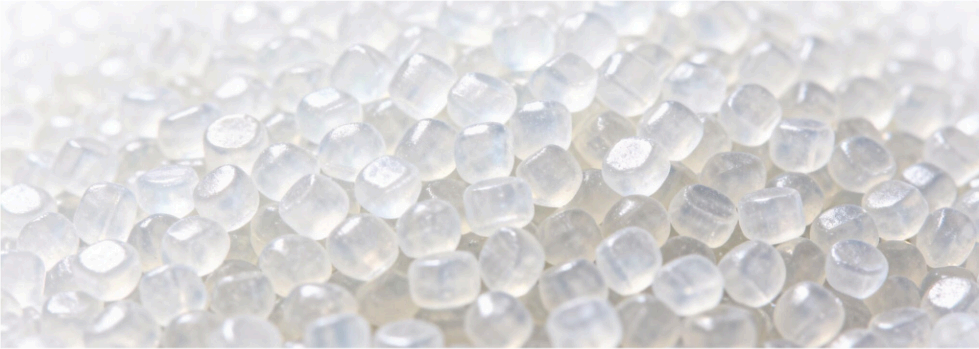
Pipeline rockshield mesh is generally made from high-density polyethylene (HDPE).

This material is chosen because HDPE combines excellent toughness, flexibility, and chemical resistance—all essential for protecting coated pipelines during backfilling. It absorbs impact from rocks and soil without cracking, resists moisture and corrosion, and maintains performance across a wide temperature range.

In addition, HDPE is lightweight and easy to handle, making installation faster and safer on construction sites. Its UV stability also ensures long-term durability when exposed to sunlight before burial.

IMPACT RESISTANCE

Measures the material's ability to withstand sudden impact or shock without cracking or breaking. For pipeline protection mesh, this property ensures the mesh can absorb the energy from rocks or backfill materials during installation, preventing damage to the pipeline coat.

COMPRESSION STRENGTH

Indicates the material's ability to resist being crushed or deformed under pressure. In pipeline protection applications, high compressive strength means the mesh can bear soil loads and external pressure without collapsing, maintaining a protective cushion around the pipeline.

TENSILE STRENGTH

Indicates the maximum pulling force the mesh can withstand before breaking. For pipeline protection mesh, high tensile strength ensures the product remains strong and stable during handling, wrapping, and burial, maintaining continuous protection around the pipeline even under tension or stretching.

ELONGATION

Describes how much the material can stretch before breaking, expressed as a percentage of its original length. A balanced elongation value gives the pipeline protection mesh flexibility to conform to irregular surfaces and absorb stress without tearing or losing shape.

TEAR STRENGTH

Measures the force required to propagate a cut or tear once it has started. For Rockshield, high tear strength means the mesh resists further ripping even if a small cut occurs during handling, ensuring continuous protection around the pipeline.